
All companies accumulate documentation over time.
Invoices, contracts, receipts, financial reports, tax documentation — everything needs to be organised and stored.
But for how long is it legally mandatory to keep these documents?
And where should they be stored?
In this article, we explain the legal obligations in Portugal and how to manage archived records efficiently.
What Is Considered Archived Records?
Archived records refer to documents that:
-
Are no longer used on a daily basis
-
Have legal or tax value
-
Must be retained for a mandatory period
These typically include:
-
Issued and received invoices
-
Tax returns
-
Accounting documents
-
Contracts
-
Employee records
How Long Must Documents Be Kept?
In Portugal, tax legislation establishes minimum retention periods.
📌 General Rule: 10 Years
According to the Portuguese VAT Code and tax legislation, accounting documents must be kept for 10 years.
This includes:
-
Invoices
-
Accounting books
-
Supporting documents for tax returns
📌 Employment-Related Documents
Some employee-related documents may have different retention periods, depending on the specific legal requirement.
For example:
-
Payroll records
-
Individual employee files
-
Social security documentation
What Happens If You Don’t Keep the Documents?
Failure to retain documentation may result in:
-
Fines
-
Issues during inspections
-
Difficulties in audits
-
Inability to justify expenses
Proper storage is a legal requirement — but also a strategic one.
The Space Problem in Companies
After a few years, physical archives can take up:
-
Entire rooms
-
Filing cabinets
-
Productive workspace
-
Customer service areas
This directly impacts:
-
Organisation
-
Efficiency
-
Rental costs
Office Archive vs External Solution
Keeping archives in the office means:
❌ Less productive space
❌ More disorganisation
❌ Higher fixed costs
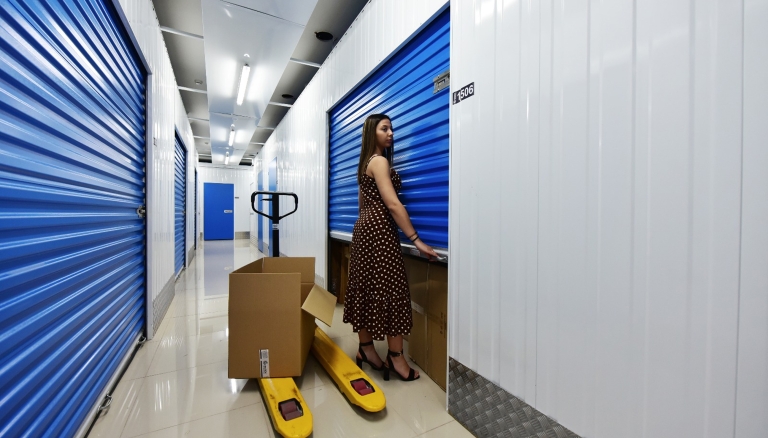
An external storage solution allows you to:
✔ Free up square metres
✔ Keep documentation secure
✔ Organise by year or category
✔ Reduce pressure on physical office space
How to Organise Archived Records Properly
-
Separate by fiscal year
-
Clearly label each box
-
Create a digital tracking list
-
Define a secure storage location
-
Ensure access when necessary
Organisation is prevention.
When Does External Storage Make Sense?
It makes sense when:
-
Archives are already occupying excessive space
-
The company is growing
-
The office needs reorganisation
-
There is a legal obligation to retain documents but no need for daily access
Storing documents outside the office can be a smart management decision.
Archived records are a legal obligation, but they don’t have to become a logistical problem.
With proper organisation and flexible solutions, it’s possible to comply with the law while keeping the office functional.
Managing space well is also managing your business well.
Contact us to learn more about our storage solutions.